

Laser Removal of Warts, Moles & Skin Tags Before & After Photos
Gallery images related to this service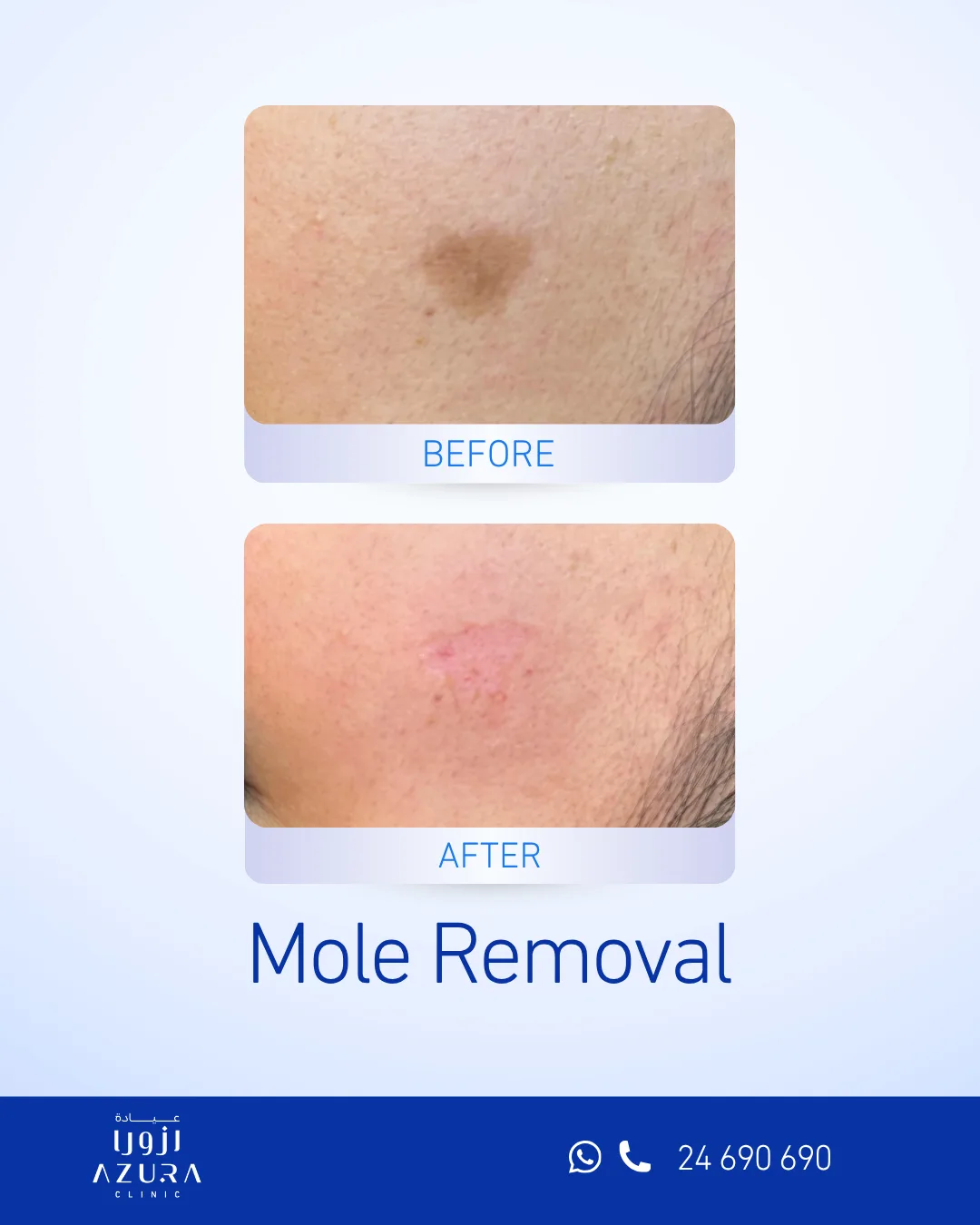

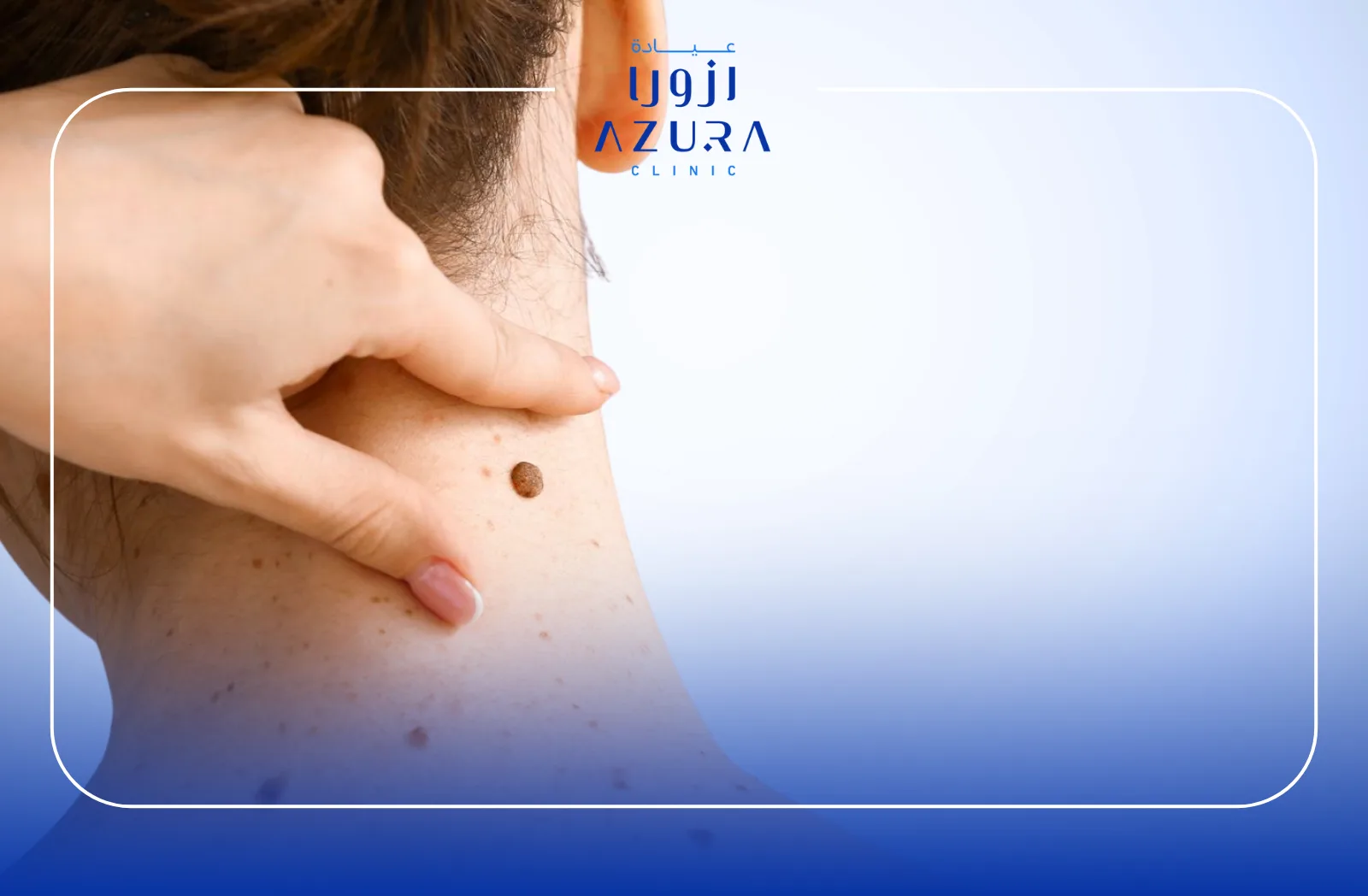
Unwanted skin growths (whether a stubborn wart, a raised mole, or a skin tag rubbing against your collar) can affect how you feel about your skin every single day. The good news is that removing them no longer means surgery, stitches, or lengthy recovery.
At Azura Clinic in Muscat, we use the Fotona laser: one of the most advanced medical laser systems available; to safely eliminate these lesions with precision. It’s a non-surgical approach that respects your surrounding skin and gets you back to your routine quickly.
The Fotona laser delivers a controlled beam of light energy directly onto the lesion. This energy ablates (vaporizes) the unwanted tissue layer by layer, while simultaneously sealing tiny blood vessels to minimize bleeding and reduce infection risk.
Your treatment at Azura Clinic follows a clear, four-step process:
The number of lesions and their size will determine how your treatment is planned. Your doctor will walk you through everything during your consultation.
Laser wart, mole, and skin tag removal in Muscat is suitable for a wide range of patients. You may be a good candidate if you have:
The Fotona laser works safely across all skin types, which makes it a trusted option for patients across Oman. However, not every lesion is automatically suitable for laser removal. Any mole or growth that looks irregular, has changed in shape, or is causing unusual symptoms will be thoroughly assessed first; your safety always comes before cosmetic concerns.
According to the American Academy of Dermatology, any changing or atypical mole should be evaluated by a dermatologist before any removal procedure.
Most patients see a clean, smooth result once healing is complete: typically within one to two weeks. The Fotona laser’s precision means minimal damage to the surrounding skin, which significantly reduces the risk of scarring compared to traditional surgical removal.
For warts, particularly stubborn plantar warts, more than one treatment session may be recommended. Your doctor will set realistic expectations from your very first appointment: no surprises.
Azura Clinic is proud to be recognised as Oman’s Best Brand CX 2025: an award that reflects the standard of care every single patient receives. When it comes to laser wart removal in Muscat, mole removal, or skin tag treatment, we combine medical expertise with technology that is genuinely best-in-class.
Our team of certified laser practitioners and dermatology-trained clinicians take the time to understand your skin, your concerns, and your goals. We use the Fotona SP Dynamis system; a platform trusted by dermatologists worldwide for its accuracy, safety, and consistent results.
If you’re looking for non-surgical mole removal in Oman with a clinic that genuinely puts your outcome first, Azura Clinic is where you belong.
Good aftercare makes a real difference to your healing. Here is what we recommend following your Fotona laser skin lesion removal:
Before your treatment, avoid sun exposure or tanning beds for two weeks, and let your doctor know about any medications, skin conditions, or recent illnesses. Full healing typically completes within one to two weeks, depending on your skin type and the size of the lesion treated. You can find answers to common questions on our FAQ page.
Get the full step-by-step care guidelines in PDF format