

Q-Switched Laser
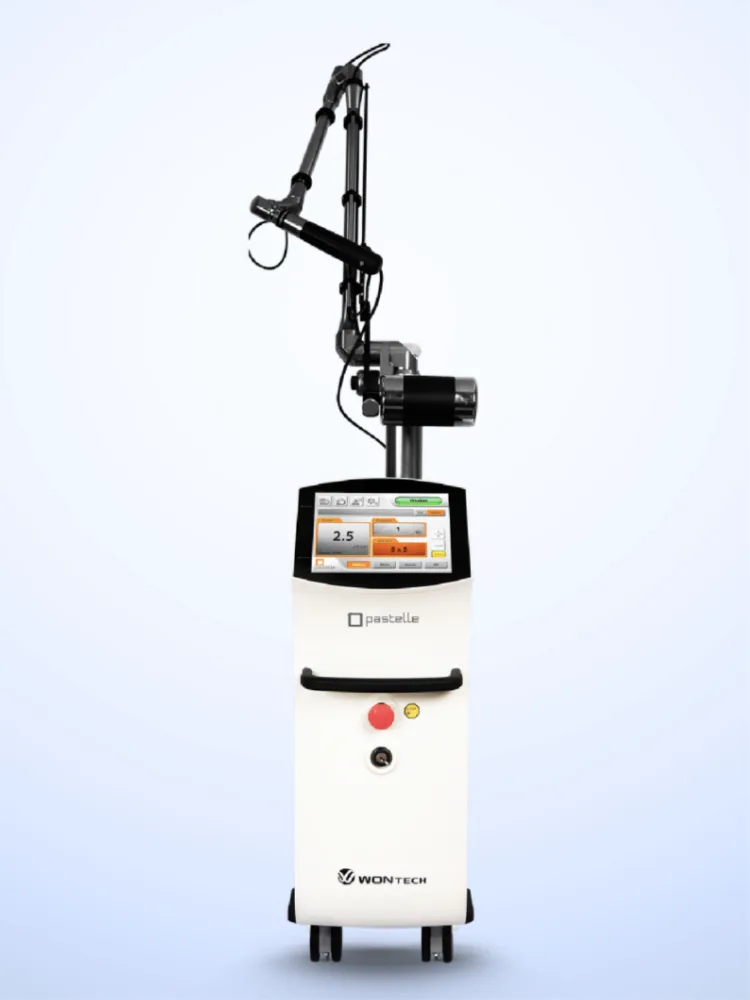
Q-Switched Laser in Muscat for Pigmentation and Tattoo Removal
One of the best-known laser technologies for getting rid of unwanted pigmentation, making skin tone more even, and precisely targeting tattoo ink is the Q-Switched Laser. Clients at Azura Clinic Muscat choose this treatment when they want a non-surgical way to deal with visible pigment problems in different parts of the body.
Q-Switched Laser devices in this clinic are regularly serviced and maintained, and the technologies used are fully up to date and carefully selected so treatments are delivered with reliable standards and a professional approach.
What Is a Q-Switched Laser?
A Q-Switched Laser is a type of high-intensity laser that sends out very short bursts of energy in a controlled way. These short pulses break down pigment particles, which the body can gradually eliminate over time.
Many aesthetic clinics use this technology for:
- Problems with pigmentation
- Laser toning
- Carbon laser facial treatments
- Tattoo removal
How Does Q-Switched Laser Work?
The laser uses high-energy pulses to selectively target pigment. Depending on the depth and type of pigment being treated, common wavelengths such as 1064 nm and 532 nm are used.
What Can Q-Switched Laser Do?
Uneven Skin Tone and Pigmentation
People often use Q-Switched Laser for pigmentation to make freckles, sun spots, and some types of uneven skin tone less noticeable.
Tattoo Removal
Q-Switched Laser tattoo removal works by breaking up tattoo ink into smaller particles that the body can gradually eliminate.
Dark Lip Pigmentation
People who want to reduce dark or uneven lip tone often consider Q-Switched Laser lip pigmentation treatment.
Underarm and Intimate Area Darkening
In some cases, Q-Switched Laser may be used as part of a treatment plan for darker underarms or intimate-area pigmentation issues.
Carbon Laser Facial
This is another use of the same technology. Before the laser session, a carbon lotion is applied to the skin to help improve its appearance and texture.
Why Is Q-Switched Laser So Popular in Muscat?
A lot of people in Muscat look for treatments that can reduce visible pigmentation without surgery or a long recovery time. Q-Switched Laser in Muscat remains popular because it works directly on pigment-related concerns.
At Azura Clinic Muscat, this treatment might be right for people who have:
- Facial pigmentation
- Darker patches in certain areas
- Tattoo ink
- Uneven skin tone
Advantages of Q-Switched Laser Therapy
Targets Pigment Precisely
The technology is designed to focus on pigment particles instead of treating the whole area in a general way.
Can It Be Used for Different Concerns?
It can be part of treatment plans for tattoo removal, laser toning, carbon laser facial protocols, and some pigmentation concerns.
What Should You Expect During a Q-Switched Laser Session?
The first step in the session is an evaluation of the pigmentation concern and the treatment area. Then, the laser is used in a controlled way based on the indication.
Who Might Be a Good Candidate for Q-Switched Laser?
This treatment might be suitable for people who want to address pigment-related concerns.
At Azura Clinic in Muscat, the treatment plan is chosen based on the type of pigmentation, the area affected, and the client’s overall skin profile.
Azura Clinic Muscat’s Q-Switched Laser
As part of a professional approach to pigmentation-focused care, Azura Clinic Muscat uses Q-Switched Laser treatment.