Omani Women’s Day is coming on Saturday, 17 October, and ahead of the day we want to begin with two simple words to every woman in Oman: thank you. Thank you to the mothers who hold families together, the teachers, nurses and doctors who give their days to others, the women leading teams and building businesses, and the grandmothers whose strength shaped all of us. From the whole team at Azura Clinic in Muscat, happy Omani Women’s Day in advance.
So many women give their time to everyone else and leave very little for themselves. As the day approaches, our female dermatologists in Muscat, Dr. Mona Negm and Dr. Mehri Maghsoodi, are inviting women to celebrate it with something just for them: an unhurried skin consultation, honest answers, and a plan that fits real life. Below, you will find answers to the skin questions women in Oman search for most, from melasma treatment in Muscat to dark underarms, adult acne and unwanted facial hair.
Omani Women’s Day 2026: Celebrating the Women of Oman
Since 2010, Oman has marked 17 October as Omani Women’s Day, a national occasion that recognises the role women play in every part of the country’s life. Omani women serve in the Shura and State Councils, lead ministries, hospitals, schools and companies, and raise the next generation, often all at the same time.
On 17 October, Omani Women’s Day will celebrate these achievements once again. It is also a gentle reminder. Behind every success is a woman who often sleeps last and wakes first, who remembers everyone’s appointments except her own. In our clinic, we hear the same words again and again: “I have wanted to come for two years, but there was always something more important.”
Why Self-Care Matters for Every Woman in Oman
Looking after yourself is part of looking after the people you love. A woman who rests, eats well and sees a doctor when something worries her has more energy, more patience and more to give. Self-care is a healthy habit, and it is never selfish.
The skin is often the first place where putting ourselves last begins to show. Stress, short nights, hormone changes after pregnancy, and long hours in the sun or in air-conditioned rooms all leave their mark on the face. Many women notice the change, feel less confident in family photos, and quietly try to hide it with makeup or a cream a friend recommended.
Self-care does not need to be expensive or take a whole day. It can be thirty minutes with a doctor who listens, a skincare routine that takes five minutes each morning, or a treatment you have been thinking about for a long time. The coming Omani Women’s Day is a good moment to give yourself that time.
Common Skin Problems for Women in Oman, and What Causes Them
These are the questions women in Muscat type into Google most often, and the concerns they bring to our consultation rooms. Here are clear, honest answers from a dermatology point of view.
Why do I have dark patches on my face?
Symmetrical brown patches on the cheeks, forehead or above the lip are usually melasma. It is linked to hormones (pregnancy and the contraceptive pill), sunlight and visible light, and it is very common in Oman’s strong sun. Many women notice it gets darker after summer. Melasma can be controlled very well with the right mix of creams, gentle procedures and daily sun protection. It is a long-term condition and can return, so a maintenance plan is part of good care.
How do I get rid of dark spots after pimples?
Brown marks left after acne are called post-inflammatory hyperpigmentation (PIH), and they are especially common in medium to deep skin tones. Many fade over six to twelve months once acne is under control and you stop picking. Medical chemical peels for pigmentation can help them fade faster. Red or pink marks are a different problem. They come from small blood vessels and need a different treatment, which is why a proper diagnosis comes first.
Why am I getting acne in my thirties?
Adult acne in women is very common. It often appears along the jaw and chin, flares before periods, and can be linked to hormones, stress, PCOS, heavy makeup, or sweat and friction under a headscarf. Treating it early with a dermatologist also prevents the dark marks and acne scars that can follow.
Why are my underarms dark?
Dark underarms are one of the most common concerns women feel shy to ask about. Shaving, friction, tight clothing, some deodorants, heat and hormone conditions can all play a part. Once the cause is reduced, treatment can noticeably improve the colour.
Why do I have hair on my chin and upper lip?
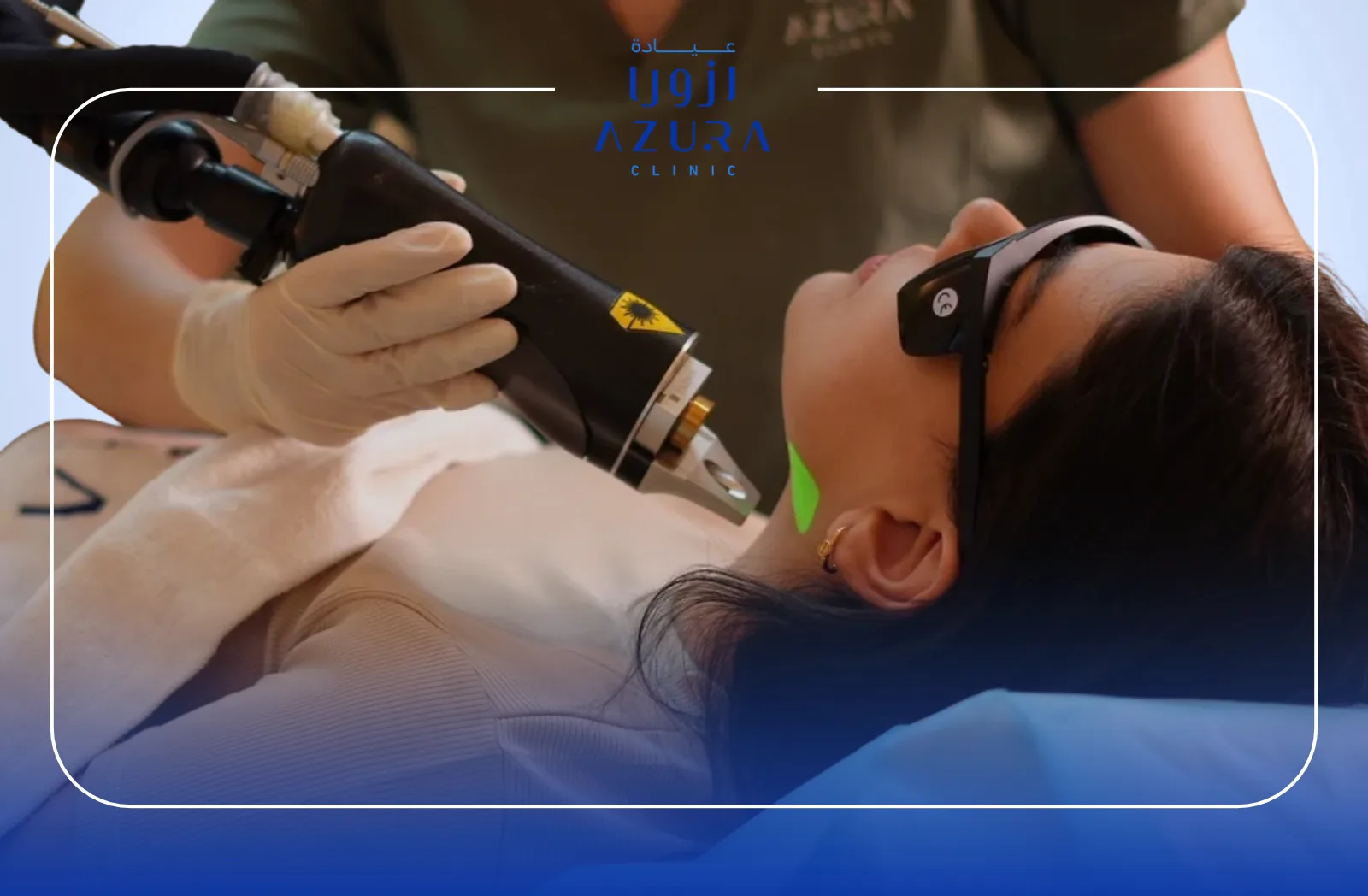
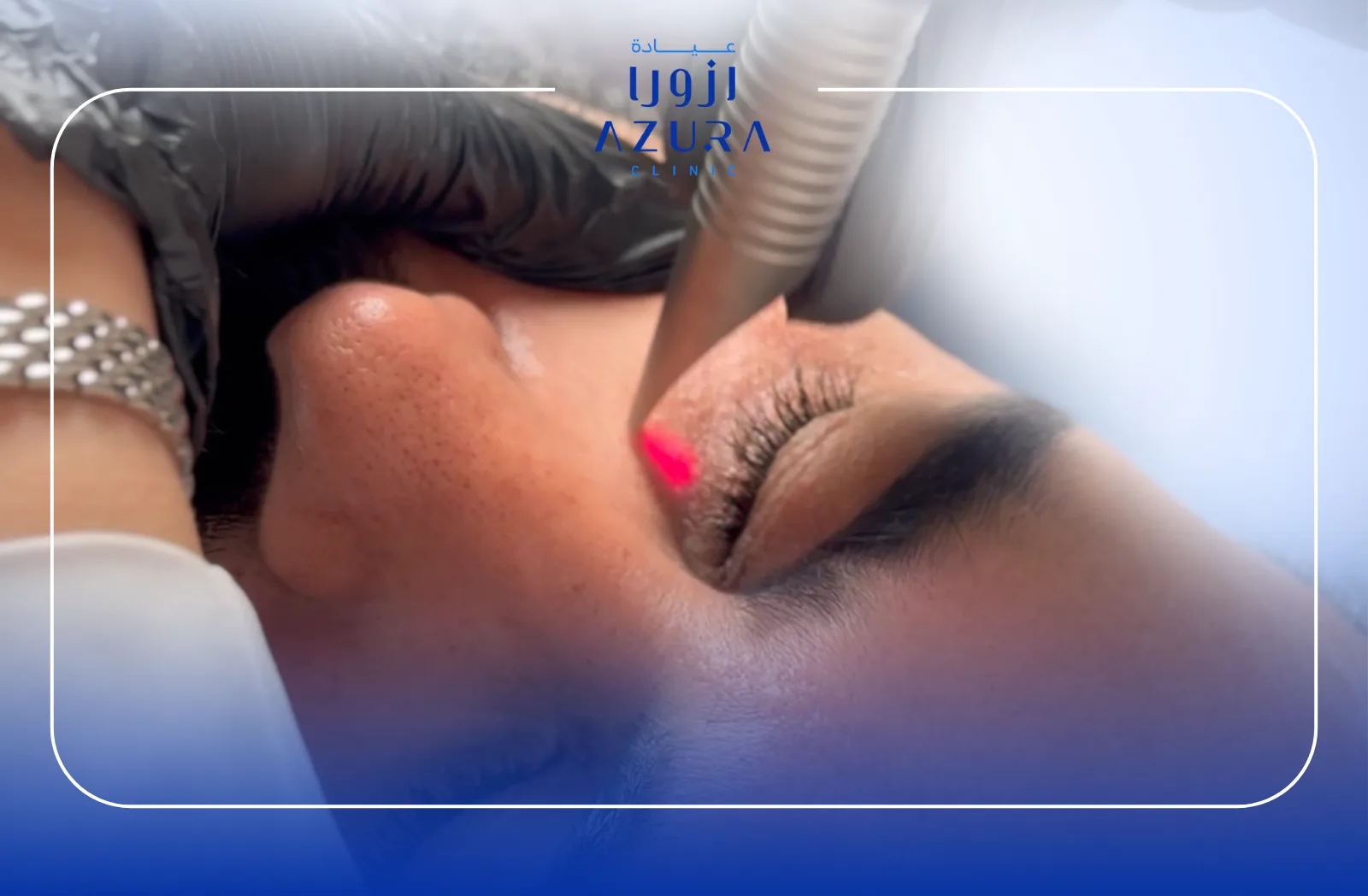
Coarse hair on the chin, jawline or upper lip can be linked to hormones, including PCOS. Your dermatologist may suggest blood tests alongside laser hair removal for women in Muscat, because treating the cause helps results last longer.
Why does my skin look dull and tired?
Dull skin usually comes from a mix of sun exposure, dehydration from air conditioning, stress and too little sleep. A gentle routine with daily sunscreen makes a real difference, and professional face glowing treatments can restore brightness and an even tone.
How can I get glowing skin before a wedding?
Start six to eight weeks before the date. A good routine, a brightening facial and, if suitable, a light peel give the skin time to settle and glow. Trying a strong new treatment a few days before the event is the most common mistake we see.
Why do I sweat so much that it marks my clothes?
Heavy underarm sweating, called hyperhidrosis, is a real medical condition and very uncomfortable in Muscat’s heat. It is treatable, and many women tell us they wish they had asked sooner.
One important note: a mole or spot that is changing in size, shape or colour, bleeds or itches needs a medical examination first, not a cosmetic treatment. Please mention it during your visit.
Women’s Skin Treatments in Muscat at Azura Clinic
After your consultation, your dermatologist will suggest the treatment, or combination of treatments, that suits your skin type and goals. Here are the treatments women in Muscat ask about most:
Every woman’s skin responds differently. Pigmentation is usually controlled over a course of sessions, and maintenance helps you keep the improvement.
When Should You See a Female Dermatologist in Muscat?
Some skin problems settle on their own. Mild post-acne marks fade if you protect your skin from the sun and stop picking, and dryness usually improves with a good moisturiser. Others tend to stay or slowly get worse, including sun spots, melasma without a plan, hormonal hair and acne scarring.
If a skin concern has bothered you for more than three months, keeps coming back, or affects how you feel about yourself, it is time to see a dermatologist.
“Almost every woman I see with melasma tells me a similar story. The patches appeared during a busy time in her life, after a pregnancy, a stressful year or a long summer, and she kept saying she would deal with it later. Melasma is very common in Oman, and there is nothing to feel embarrassed about. With a good daily sunscreen, gentle treatment and a little patience, most women see a real difference. This Omani Women’s Day, I would love women to stop hiding their skin under layers of makeup and simply come and talk to us.” Dr. Mona Negm, Specialist Dermatologist, Azura Clinic
A few situations change the timing of treatment, so always tell your doctor about them:
Pregnancy or breastfeeding: many treatments are postponed, but your dermatologist can still help with a safe skincare routine for this stage.
Isotretinoin (Roaccutane): lasers and peels are usually delayed for some months after the course ends.
Medicines and blood thinners: mention everything you take, and never stop a prescribed medicine without speaking to the doctor who prescribed it.
Skin Care Mistakes Women in Oman Should Avoid
Lemon, toothpaste and home bleaching recipes. They irritate the skin, and in brown skin irritation often leads to more pigmentation.
Whitening creams bought online or from salons. Some contain hidden steroids or mercury, which can thin the skin and cause lasting damage.
Strong hydroquinone without medical supervision. Used for too long, it can cause a blue-grey discolouration that is very hard to treat.
Scrubbing dark areas. Friction makes pigmentation darker, especially on the underarms, neck and inner thighs.
Waxing or threading between laser sessions. Laser needs the hair root in place, so shave instead.
Skipping sunscreen on cloudy or indoor days. Visible light and UV still reach the skin through windows.
Daily Skin Care Routine for Women in Muscat’s Climate
Muscat’s heat, humidity, year-round sun and constant air conditioning call for a simple, consistent routine:
Morning: a gentle cleanser, a light moisturiser and a tinted sunscreen with iron oxides, which protects against visible light as well as UV. Your dermatologist can help you choose one as part of your medical skin care plan.
Midday: reapply sunscreen, including on days spent mostly in the car.
Evening: remove makeup and sunscreen gently, then apply the treatment cream your dermatologist recommends.
Under your headscarf: choose soft, breathable fabrics and change them often in the heat to reduce breakouts along the hairline and jaw.
Be patient: give a new routine six to eight weeks before deciding whether it works.
Meet Our Female Dermatologists in Muscat: Dr. Mona Negm and Dr. Mehri Maghsoodi
Many women feel more comfortable discussing their skin, hormones or a concern on the body with a female doctor. At Azura Clinic in Sarooj, you can choose to see one of our two female specialist dermatologists.
Dr. Mona Negm, Specialist Dermatologist
Dr. Mona Negm treats women for pigmentation, melasma, acne and skin rejuvenation, and takes time to explain each step clearly before any treatment begins. You can read more about Dr. Mona Negm on her profile page.
Dr. Mehri Maghsoodi, Specialist Dermatologist
Dr. Mehri Maghsoodi cares for women with pigmentation, acne, sensitive skin and hormone-related skin concerns, with a calm and patient approach that suits women visiting a dermatologist for the first time. You can read more about Dr. Mehri Maghsoodi on her profile page.
Both doctors work every day with medium to deep skin tones and understand how Oman’s sun, heat and humidity affect women’s skin.
Omani Women’s Day FAQs: Questions Women Ask Before Their First Visit
Can I see a female dermatologist at Azura Clinic?
Yes. When you book, simply ask for Dr. Mona Negm or Dr. Mehri Maghsoodi.
Will I need to remove my headscarf or face veil?
Only if the area being examined is under it, and only when you are ready. All consultations take place in a private room.
Can I visit a dermatologist while pregnant or breastfeeding?
Yes. Some treatments wait until later, but your dermatologist can check your skin and explain what is safe for you now.
Is laser safe for darker skin?
It can be, when the device and settings are chosen for your skin type and the team is experienced with medium to deep skin tones. Our Splendor X laser is used for hair removal across a wide range of skin types.
Will I be pressured into treatments?
No. A consultation is a conversation. Some women leave with only a skincare plan, and that is a good result too.
Book Your Omani Women’s Day Skin Consultation in Muscat
As Omani Women’s Day approaches, give yourself the same care you give everyone else. Booking a few days ahead makes it easier to find a time that suits you. Come on your own, or bring your mother, sister, daughter or a close friend and book your visits together. For many women, the first step feels easier with someone they love beside them.
Azura Clinic is located in Sarooj, Muscat, and is licensed by Oman’s Ministry of Health (licence No. 5087). You can meet the full Azura team of dermatologists before your visit.