This article was written by Matin Mirshafiei and approved by Dr. Mehri Maghsoodi.
Hair loss is a symptom, not a diagnosis. Two people can notice the same widening parting or the same handful of hair in the shower for entirely different reasons, and a treatment that works well for one may do little for the other. That is why, at Azura Clinic, the conversation about treatment always begins with a conversation about cause.
This guide explains how a dermatologist approaches hair loss, what each of the treatments we offer is designed to do, and what realistic progress looks like.
First, the cause
Gradual thinning: pattern hair loss
Androgenetic alopecia is the most common form of hair loss in both men and women. In men it tends to show as a receding hairline or thinning at the crown; in women, as diffuse thinning across the top of the scalp and a widening parting. It develops slowly, and treatment works best when it starts while follicles are still active.
Sudden shedding after a trigger
Telogen effluvium is heavy shedding that often begins two to three months after a stressful event for the body: an illness with fever, childbirth, surgery, rapid weight loss or a period of intense stress. Low iron stores and thyroid imbalance can cause similar shedding. When the trigger is identified and addressed, this type of hair loss often settles, and supportive treatment can help the recovery.
Patches of hair loss
Round, smooth patches, or hair loss with redness, scaling or tenderness, need a medical diagnosis before anything else. Conditions such as alopecia areata or inflammatory scalp disorders are managed differently, and regenerative treatments are not the first answer for them.
Tension and styling
Tight hairstyles and constant pulling at the same points can gradually thin the hair along the hairline and temples, known as traction alopecia. Caught early, it often improves once the tension is removed.
What happens at a consultation
Your history. When the hair loss began, whether it runs in the family, recent illness, pregnancy, diet, medication and stress.
A scalp examination. A close look at the scalp and follicles with dermoscopy shows whether hairs are miniaturising, shedding or breaking, and whether there is inflammation.
Tests where relevant. Your dermatologist may request blood tests, for example iron stores, thyroid function or vitamin D, when the pattern suggests an internal cause.
Baseline photographs. Consistent photographs make progress visible, because hair changes slowly and memory is unreliable.
The treatments, and when each makes sense
Our hair loss treatments are non-surgical. Each works in a different way, and the choice depends on the cause, the stage and your preferences. The session counts below are typical starting courses; your dermatologist sets your own plan.
Hyaluronic acid with peptides, B vitamins and amino acids to nourish the scalp
Thinning hair and weak growth
Planned individually
Exosome therapy is one of the newer regenerative approaches. The early results are encouraging, and the research continues, which is one more reason it is recommended case by case rather than for everyone.
Why combinations are common
Injectable treatments deliver growth factors or nutrients directly to the follicle; Fotona HairRestart works on circulation and follicle activity without needles. Because they act differently, pairing them often gives a stronger response than either alone. Combinations we offer include Fotona HairRestart with ASCE exosomes, Fotona HairRestart with PRP, Fotona HairRestart with mesotherapy, PRP with biotin, and Dermapen with mesotherapy. For men with a patchy or thin beard, there is also biotin and PRP for the beard.
First weeks: the earliest sign is usually less hair falling out.
The first months: fine new hairs and better density become visible in photographs.
Further on: the fuller picture emerges, and a maintenance schedule is agreed.
These treatments work when follicles are still alive. Areas that have been completely bald for many years are unlikely to regrow with non-surgical treatment, and in that situation an honest conversation about surgical options elsewhere is part of good care.
Hair loss in women
For women, hair loss is often linked to hormonal shifts, the months after childbirth, thyroid conditions, polycystic ovary syndrome, low iron or prolonged stress, and it usually appears as diffuse thinning rather than a receding hairline. Many of the treatments above are suitable. During pregnancy and breastfeeding, most injectable and laser treatments are postponed, and your dermatologist will advise on what can safely be done in the meantime.
When a treatment may not be suitable
Treatments made from your own blood may not be recommended if you have a blood disorder, a very low platelet count or take blood-thinning medication. An active scalp infection, pregnancy and some autoimmune conditions can also rule out or delay treatment. Your medical history is reviewed in full before a plan is agreed.
Supporting your results at home
Choose looser styles and vary where the hair is tied or pinned.
Be gentle when hair is wet, and limit high heat from styling tools.
Eat regular, balanced meals; crash diets are a common trigger for shedding.
Check levels before starting supplements, rather than taking them blindly.
Protect the scalp from strong sun, especially along a parting.
Questions patients ask
Which is better, PRP or PRF?
Both are prepared from your own blood. PRF uses no anticoagulant and releases its growth factors more slowly; PRP has a longer record of use. The better choice depends on your type of hair loss and how your scalp has responded before, which is a decision for your dermatologist.
Is treatment painful?
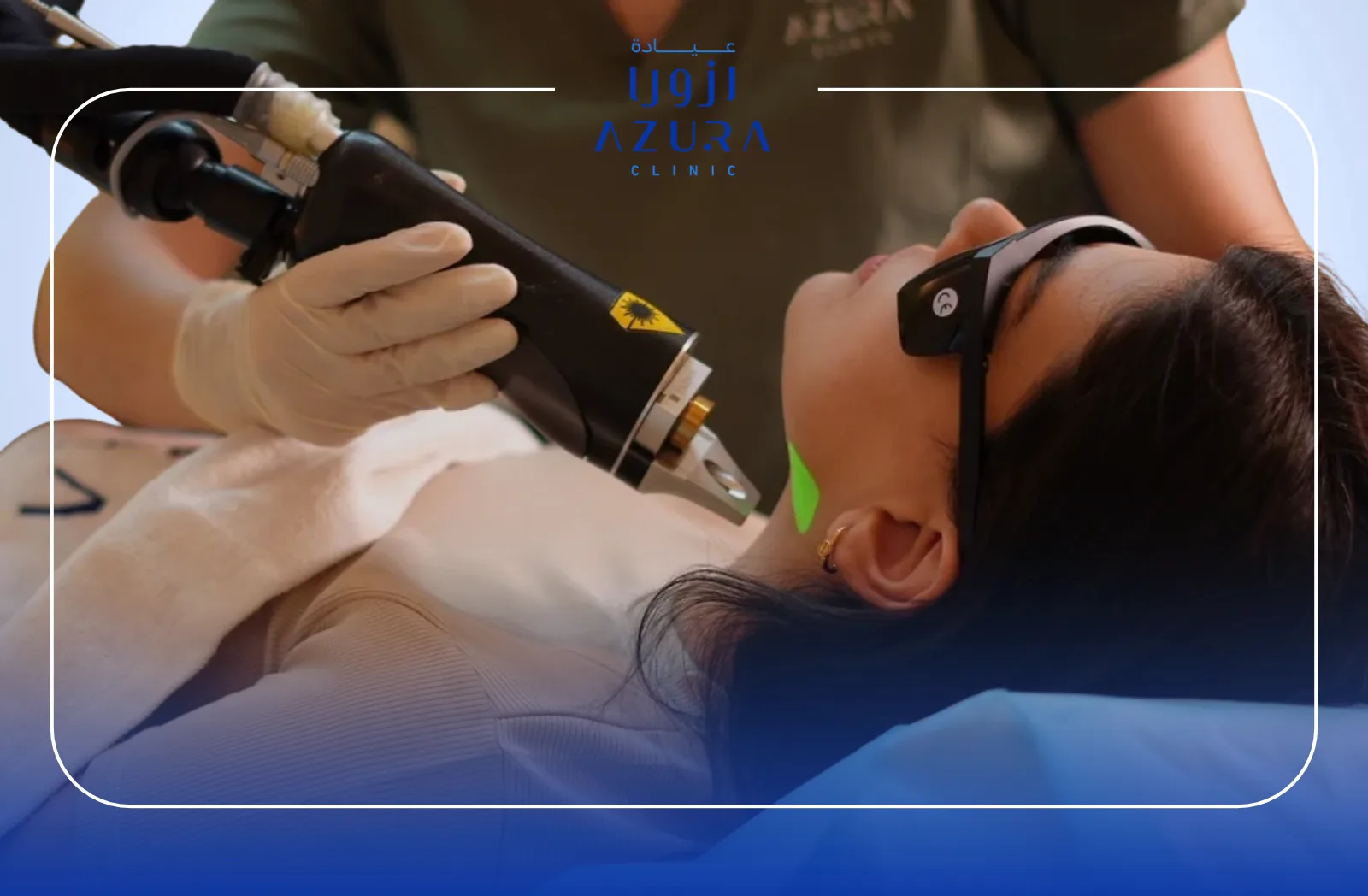
For injections, a numbing cream is applied first, and most people describe a mild pinching sensation. Fotona HairRestart involves no injections and feels like gentle warmth.
Is there downtime?
Very little. You can usually return to your day straight away. The scalp may feel tender or look slightly red for up to a day or two after injections, and you will be asked to avoid washing the hair, strenuous exercise and heat for a short period.
Will I need maintenance?
Usually, yes. Pattern hair loss is ongoing by nature, so periodic sessions help protect the progress you have made. Your dermatologist will suggest a rhythm once the first course is complete.
Starting with the right diagnosis
The most effective hair loss plan is the one built on the correct diagnosis. Our specialist dermatologists, including Dr. Zahra Ghodsi, assess the scalp, identify the cause and recommend only what is likely to help you.