Subcision

Subcision acne scar treatment at Azura Clinic Muscat Oman
Published at 20 September 2025
Views 333
Author Matin Mirshafiei
Last Update July 5, 2026

What Is Subcision Treatment?

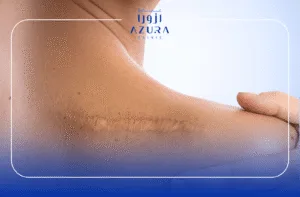
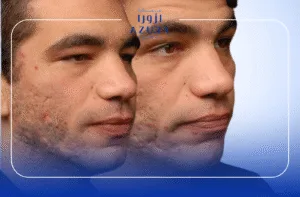
Subcision is a minimally invasive procedure designed to lift depressed acne scars from beneath the skin. If you have scars that appear sunken or tethered — like they’re being pulled downward — subcision may be exactly what you’ve been looking for.

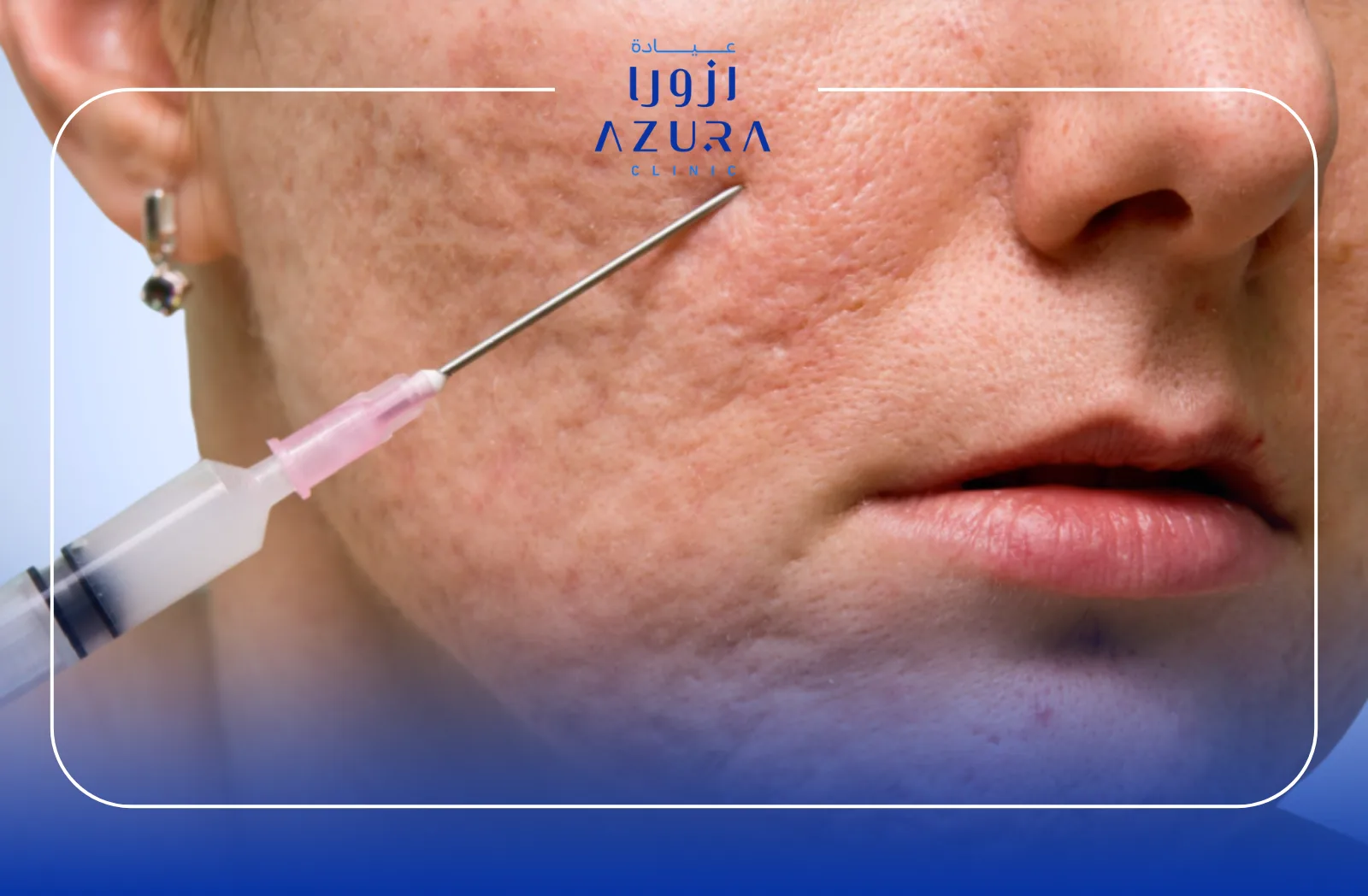
At Azura Clinic in Muscat, we use a fine, sterile needle inserted just below the surface of the skin. The needle severs the fibrous bands of tissue that anchor the scar down, allowing the skin to rise back toward its natural level.

This technique is particularly effective for rolling scars (wide, wave-like depressions) and boxcar scars (broader, flat-bottomed indentations). It works with your body’s own healing process — not against it.

How Does Subcision Work?

Under the surface of a depressed scar, fibrous strands of tissue pull the skin downward, creating that characteristic dimpled or sunken appearance. Subcision breaks those strands using a controlled, fan-like movement of the needle beneath the skin.

When those fibrous bands are released, the skin lifts naturally. The controlled micro-injury also causes a small blood clot to form under the scar. Over the following weeks, your body replaces that clot with fresh collagen — the protein that gives skin its firmness and smooth texture.

The result is a gradual, natural improvement in skin surface. According to research published on PubMed, subcision is a well-established technique for the treatment of distensible acne scars, with a strong safety profile when performed by a trained clinician.

Who Is a Good Candidate?

You may be a strong candidate for subcision treatment in Muscat if you have rolling or boxcar acne scars that haven’t responded well to creams or surface-level treatments. The procedure works best when scars are caused by fibrous tethering beneath the skin — which is very common with post-acne scarring.

Good candidates are generally people who have:

  • Depressed or pitted acne scars — rolling, boxcar, or mixed types
  • No active breakouts or skin infections in the treatment area
  • Realistic expectations about gradual, progressive improvement
  • No blood-thinning medications that cannot be paused

During your consultation at Azura Clinic, our doctors will assess your scar types and skin condition to confirm whether subcision — alone or combined with treatments like scar reduction therapies — is the right approach for you.

What Results Can You Expect?

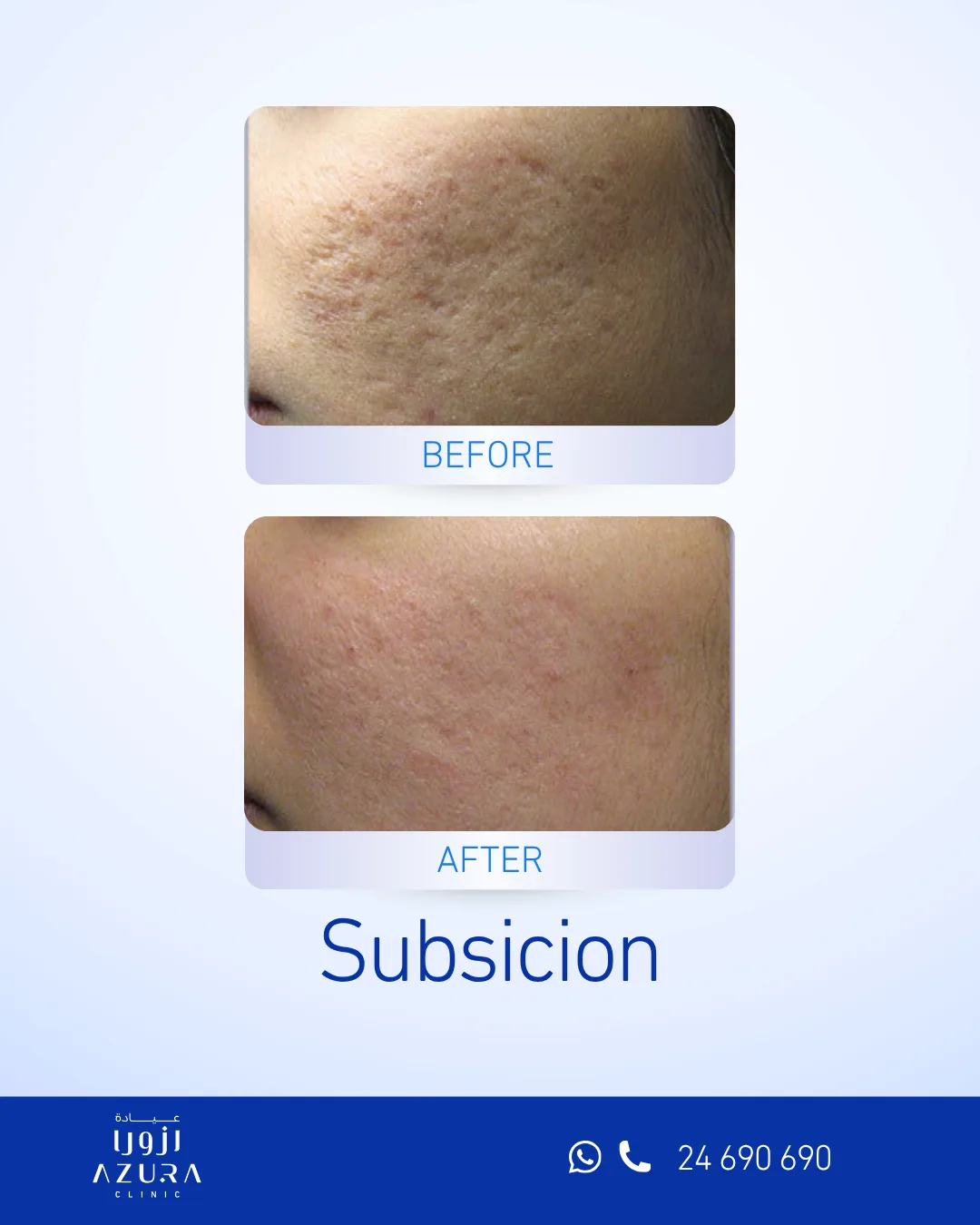
Most patients notice a visible improvement in the depth and texture of their scars after a course of treatments. Results build gradually as your body produces new collagen in the weeks following each session.

Subcision pairs especially well with other acne scar treatments. Your doctor may recommend combining it with PRP (platelet-rich plasma) or dermal fillers to further enhance and prolong results. Each treatment plan at Azura Clinic is tailored to your skin — no two plans are the same.

You can expect some swelling, bruising, and tenderness for three to seven days after each session. This is completely normal and a sign that your skin’s healing response is active.

Why Azura Clinic in Muscat?

Azura Clinic is Oman’s leading dermatology and aesthetics clinic — and the proud recipient of the Best Brand CX Award, Oman 2025. Our team of specialist doctors brings both clinical precision and genuine care to every consultation.

We use the highest standard of sterile technique, and every subcision procedure is performed under local anesthesia for your comfort. You’ll never feel rushed — we take the time to understand your skin and your goals before recommending any treatment.

Meet the team behind your care at our Our Doctors page, and see why patients across Muscat trust Azura Clinic for results that feel natural and last.

Aftercare Tips

Taking care of your skin after subcision helps protect your results and speeds up healing. Here’s what to follow:

  1. Expect swelling, bruising, and tenderness for three to seven days — this is normal.
  2. Keep the area clean and use a gentle moisturiser; avoid harsh actives like acids or retinoids.
  3. Apply SPF daily — sun exposure can worsen pigmentation during healing.
  4. Avoid heavy sweating or strenuous exercise for 48 to 72 hours after treatment.
  5. Do not pick at bruises or any healing skin — let your body do its work.
  6. Avoid blood-thinning medications in the days before your next session, unless medically necessary.

If you have any concerns during recovery, our team at Azura Clinic is always available to guide you. Visit our FAQ page for answers to the most common questions about aftercare and results.


5/5 - (46 votes)


Before / After Treatment

Before Treatment Instructions
🔷 Avoid blood-thinning medications (unless medically required) for a few days.
🔷 Stay out of sun/tanning to reduce risk of pigmentation.
🔷 Do not use harsh chemical exfoliants, retinoids, or acids for ~3-5 days before.
🔷 Ensure no active breakouts or infections in the area.
After Treatment Instructions
🔷 Expect swelling, bruising, tenderness for 3-7 days.
🔷 Keep the area clean; use gentle lotion/serum and avoid irritating products.
🔷 No direct sun; use SPF daily.
🔷 Avoid strenuous activity or sweating heavily for 48-72 hours.
🔷 Do not pick at bruises or wounds; let them heal naturally.


FAQs
1
Subcision at Azura Clinic in Muscat usually ranges from OMR 45 to OMR 125, with the final cost varying by scar depth, skin condition, treatment needs, number of sessions, and doctor’s assessment.
2
When acne or injury heals, scar tissue can form fibrous strands that anchor the skin downward, creating a pitted or indented appearance. During subcision, a specially designed needle is moved back and forth beneath the scar to sever these strands. This releases the depression and also triggers the body's natural healing response, stimulating new collagen to form and gradually fill in the treated area.
3
A topical numbing cream is applied before the procedure, and local anaesthetic is used to keep discomfort to a minimum during treatment. Most patients feel mild pressure or a slight sensation beneath the skin rather than sharp pain. Any tenderness or soreness afterward is typically manageable and short-lived.
4
Initial improvement in scar depth can be noticed within a few weeks as swelling subsides and the skin settles. The most significant results come over the following months as new collagen continues to build beneath the treated area, gradually smoothing and elevating the scar. Patience is important — the skin's remodelling process takes time, and results typically continue to improve with each subsequent session.
5
Subcision works best for rolling or boxcar acne scars — the type that cause broad, shallow or moderately deep depressions in the skin. It is suitable for most skin types, including the darker skin tones common in Oman, because it carries a lower risk of causing pigmentation changes compared to some other scar treatments. A consultation at Azura Clinic will confirm whether subcision is the right approach for your specific scar type.
6
Subcision is generally not recommended for people who have active skin infections, blood clotting disorders, or a history of keloid scarring — where the body produces excessive scar tissue. Those on blood-thinning medications may need to pause them before treatment, subject to their doctor's advice. Raised or hypertrophic scars are also not ideal candidates, as subcision is designed specifically for indented, depressed scars.
7
You will typically be advised to avoid retinol, exfoliating acids, and strong active ingredients for several days before your appointment. Sun protection is essential in the lead-up to treatment, especially in Muscat's intense sun, to reduce the risk of post-procedure pigmentation. Come to your appointment with clean, make-up-free skin, and inform your practitioner about any medications or supplements you are taking.
8
Swelling, bruising, and redness in the treated area are normal and expected after subcision — this is part of the healing process. Most people in Muscat find they can return to daily activities within a few days, though the bruising may take a week or two to fully resolve. Avoiding strenuous exercise, excessive sun exposure, and touching the treated area in the days following treatment helps ensure a smooth recovery.
9
Keeping the skin clean and well-moisturised supports healing, and applying a broad-spectrum SPF daily is especially critical in Oman's sunny climate to protect the treated skin from UV damage. Avoid picking, pressing, or massaging the area aggressively, and steer clear of active skincare ingredients until your practitioner confirms it is safe to reintroduce them. Your aftercare guidance from Azura Clinic will be tailored specifically to your skin and the extent of your treatment.
10
Yes — subcision is frequently combined with treatments such as microneedling, PRP (platelet-rich plasma), dermal fillers, or laser resurfacing to maximise scar improvement. Each treatment targets a different aspect of the scarring process, and combining them often delivers far better outcomes than any single treatment alone. At Azura Clinic, your treatment plan may incorporate several complementary techniques depending on your scar type and skin goals.
11
Subcision is considered one of the safer scar treatments for medium to darker skin tones because it does not use heat or light energy, which can sometimes cause unwanted pigmentation changes in these skin types. This makes it a particularly relevant option for many patients in Oman and the wider Gulf region. Our practitioners at Azura Clinic are experienced in treating a full range of skin tones and will tailor the approach accordingly.
12
Azura Clinic brings together experienced practitioners who specialise in aesthetic medicine and understand the skin concerns most relevant to patients in Oman. We take a consultative, individualised approach — assessing each patient's unique scar pattern, skin type, and goals before recommending a treatment plan. Our clinic uses established, evidence-based techniques in a safe and professional environment, with ongoing support throughout your treatment journey.
13
Subcision is a minimally invasive procedure that treats depressed or pitted scars — most commonly acne scars — by releasing the fibrous bands of tissue that pull the skin downward, causing those sunken indentations. A fine needle is inserted just beneath the skin to break these tethering bands, allowing the skin surface to lift and become smoother. At Azura Clinic in Muscat, subcision is often combined with other treatments for enhanced results.


Similar Services
AQ Pen scar reduction treatment at Azura Clinic Muscat Oman
AQ Pen
Fotona laser surgical scar treatment at Azura Clinic Muscat Oman
Fotona Surgical Scar Treatment
RF fractional microneedling scar treatment at Azura Clinic Muscat Oman
RF Fractional for Scarring
dots
Related Blog Articles Based on selected service
Dermatologist performing intradermal triamcinolone injection for keloid and scar treatment at Azura Clinic Muscat Oman

The Dermatologist’s Approach to Intradermal Triamcinolone in Muscat

The Dermatologist's Approach to Intradermal Triamcinolone in Muscat Raised keloids, stubborn hypertrophic scars, and deep painful acne cysts are among...
Read More
8 December 2025
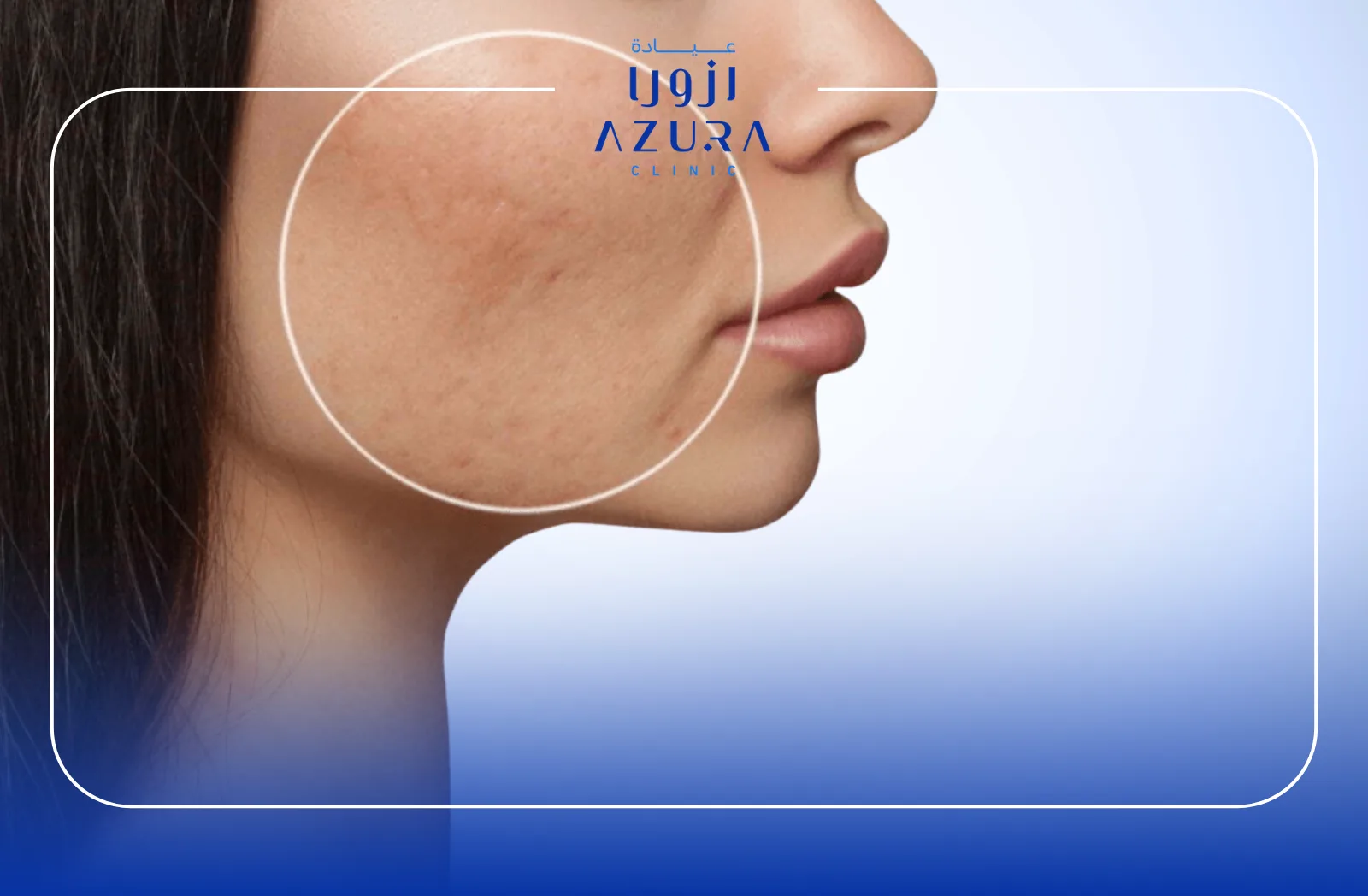
Side-profile close-up of a woman’s cheek with acne scars and uneven texture highlighted to illustrate AQ Pen scar reduction treatment at Azura Clinic Muscat

Why the AQ Pen for Scar Reduction Is One of the Best Scar Treatments in Muscat

The Frustrating Challenge of Healing Scars in the Gulf Climate Whether you are dealing with deep pit marks from old...

Read More
20 November 2025
Comments

Leave a Reply

Your email address will not be published. Required fields are marked *