Find out how bleaching and toning with Q-Switched Laser can safely and effectively lighten and tone hair that is dark or unwanted. This full guide will tell you everything you need to know about the procedure, its benefits, results, comparisons, and aftercare.
Bleaching and toning with Q-Switched Laser is a safe, advanced, and precise way to lighten dark or unwanted hair while making it look more even and refined. The Q-Switched Laser targets pigment without damaging the surrounding skin, unlike traditional chemical methods. This allows controlled, natural-looking results.
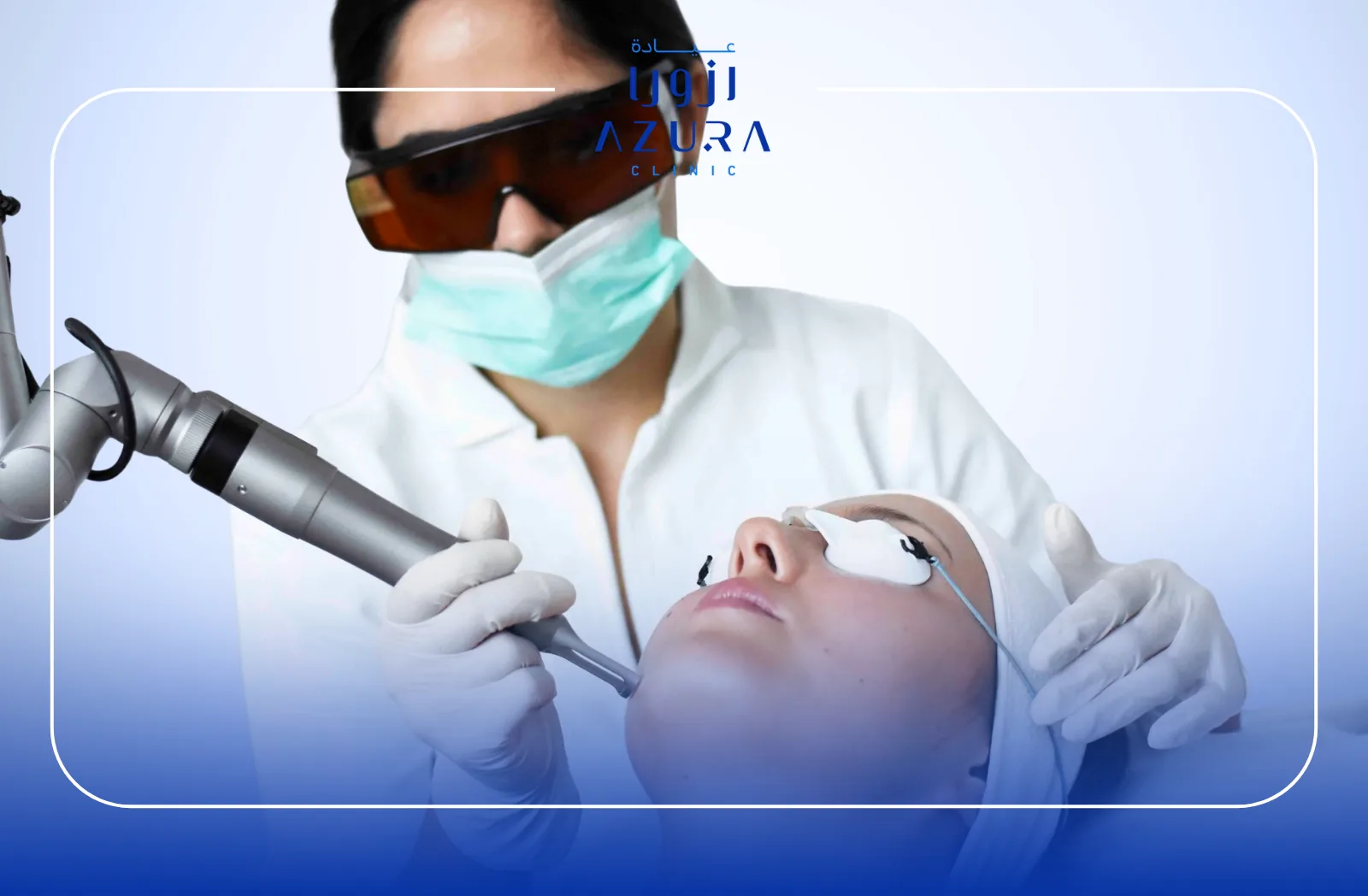
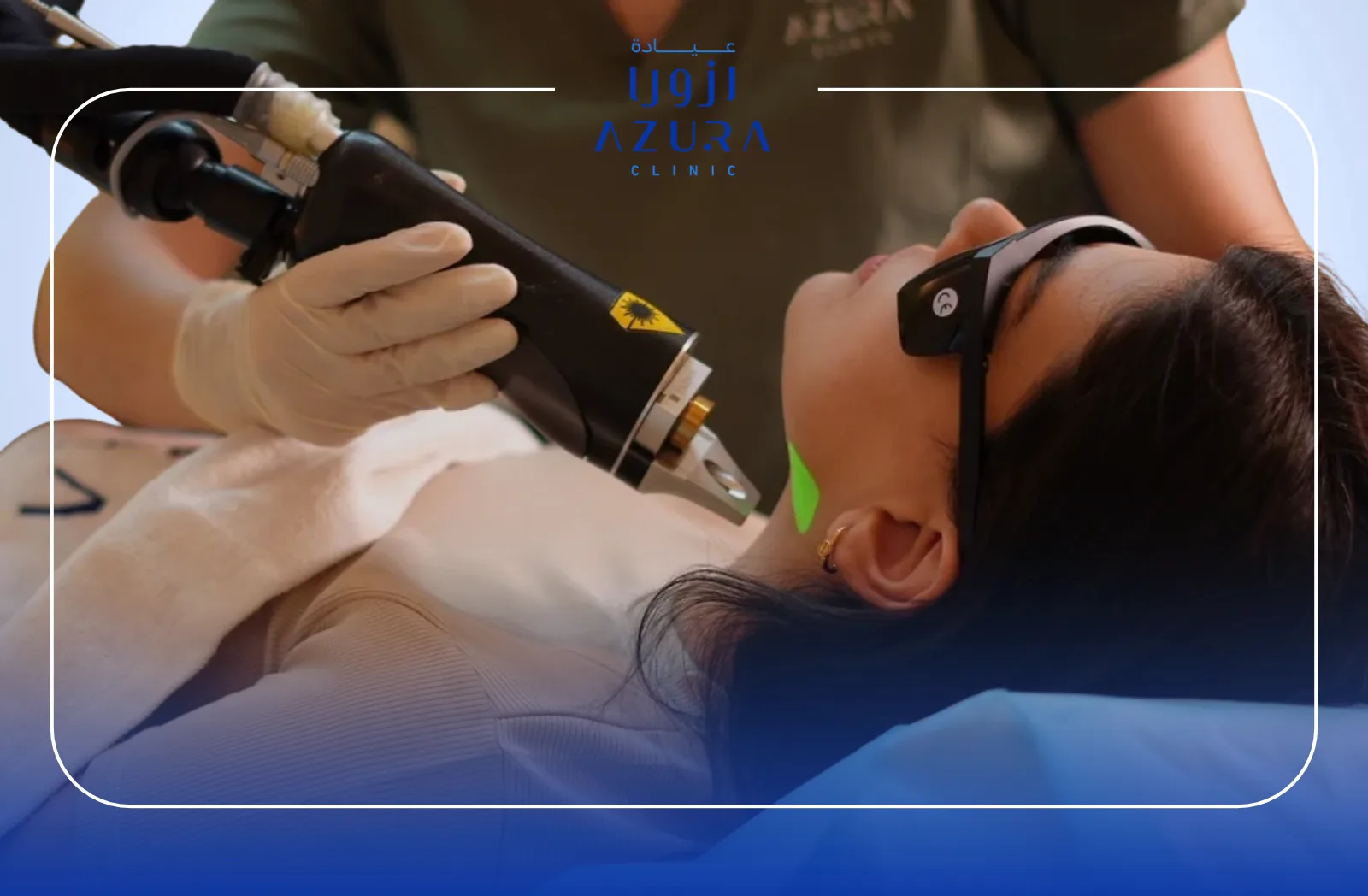
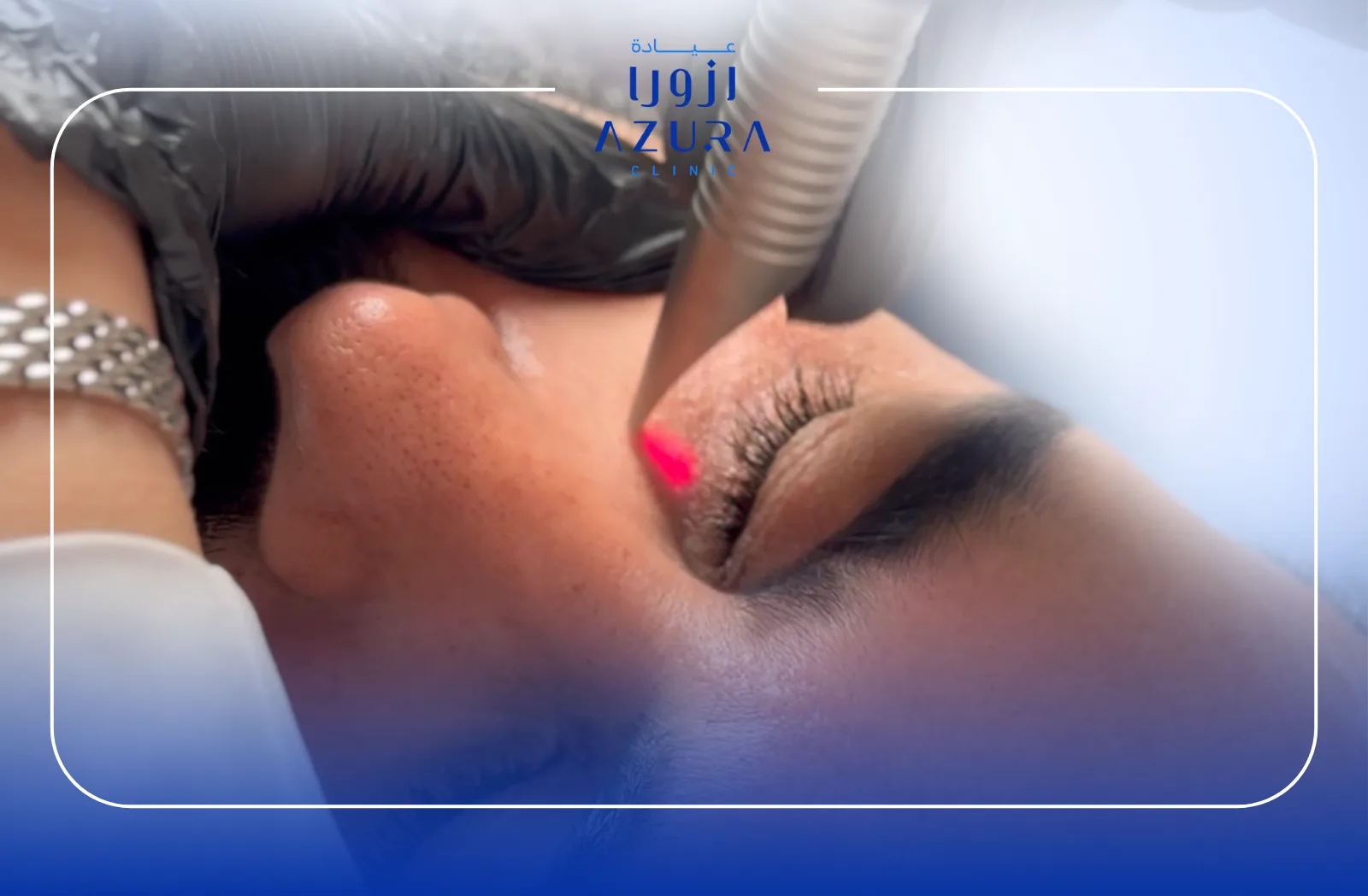
Hair bleaching and toning with Q-Switched Laser uses high-intensity, short laser pulses to break down melanin in the hair shaft. The laser evens out the hair color, giving a balanced lightened appearance without chemical damage.
The Q-Switched Laser emits nanosecond pulses that break down hair pigment in a targeted way. You can then use toning pigments or allow the hair to naturally settle into a lighter shade.
Key features:
Safe targeting of hair pigment
Minimal heat transfer to surrounding skin
Controlled, uniform bleaching
Slow and precise toning
Who Is a Good Candidate
This treatment is suitable for:
People with dark or coarse hair who want lighter, more even results
Individuals seeking long-lasting and uniform hair toning
Not ideal for very light, gray, or pigment-deficient hair
Benefits:
Safe for Skin – targets hair pigment without burning or irritating the skin
Precise Control – gradual bleaching and uniform toning
Minimal Side Effects – less redness or irritation than chemical methods
Quick Sessions – one appointment, its length depending on the area
Long-Lasting Results – lighter and more even tone for weeks to months
Compatible with Sensitive Areas – safe for face, neck, and arms
Natural Look – avoids harsh or brassy tones
Q-Switched Laser vs Other Hair Lightening Methods
Q-Switched Laser vs Chemical Bleach
Feature
Q-Switched Laser
Chemical Bleach
Safety
High
Moderate – irritation risk
Skin contact
Minimal
Direct exposure
Precision
Adjustable
Hard to control
Pain
Mild
Possible stinging/burning
Results
Gradual, even
Immediate, may be harsh
Q-Switched Laser vs IPL
IPL can lighten hair but may produce uneven tone, especially in darker hair.
Q-Switched Laser vs Conventional Bleach & Toner
Conventional methods require repeated applications and may lead to uneven tones.
Laser provides longer-lasting, more natural, and more controlled results.
What to Expect
Hair and skin assessment
Cleansing and protective eyewear
Laser pulses applied over the target area
Optional toning application for desired shade
Post-treatment calming cream or serum
Session length: One appointment, its length depending on the area.
Before-Care Instructions
Avoid sun exposure for 7 days
No chemical bleaching or toning for 1 week
Shave the area 24 hours before if recommended
Avoid strong skincare products on the area
Keep the skin well hydrated
Aftercare Instructions
Avoid sun exposure for at least 1 week; use SPF 30+
Do not chemically bleach, tone, wax, or scrub for 3–5 days
Use calming serums and gentle moisturizers
Risks and Safety Information:
Bleaching and toning with Q-Switched Laser is generally very safe. Some temporary effects may include:
Mild redness
Tingling or warmth
Rare pigment irregularities
Professional technique ensures maximum safety.
Before and After Results
From the early sessions, hair shows gradual lightening and improved tone. Results appear uniform and natural. Multiple sessions may be required depending on hair type.
FAQs
Q: Is toning painful?
Only a mild warmth is usually felt.
Q: How many sessions are needed?
Typically a short course.
Q: Can sensitive areas be treated?
Yes, it is considered safe for sensitive areas.
Q: How long do results last?
Results may last from a few weeks to a few months depending on hair growth.
Q: Can gray hair be toned?
Response is limited due to low pigment content in gray hair.