This article was written by Matin Mirshafiei and approved by Dr. Mehri Maghsoodi.
Laser Hair Removal and HPV: Understanding the Facts: Plus 25 Expert Answers About Splendor X in Muscat
If you’ve been researching laser hair removal in Muscat, you’ve likely come across questions about safety, results, and whether certain health conditions (including HPV) affect your suitability for treatment. At Azura Clinic, we hear these questions daily from patients across Oman. Below, I’ve answered the most important ones honestly, clearly, and without unnecessary jargon.
Laser Hair Removal and HPV: What You Need to Know First
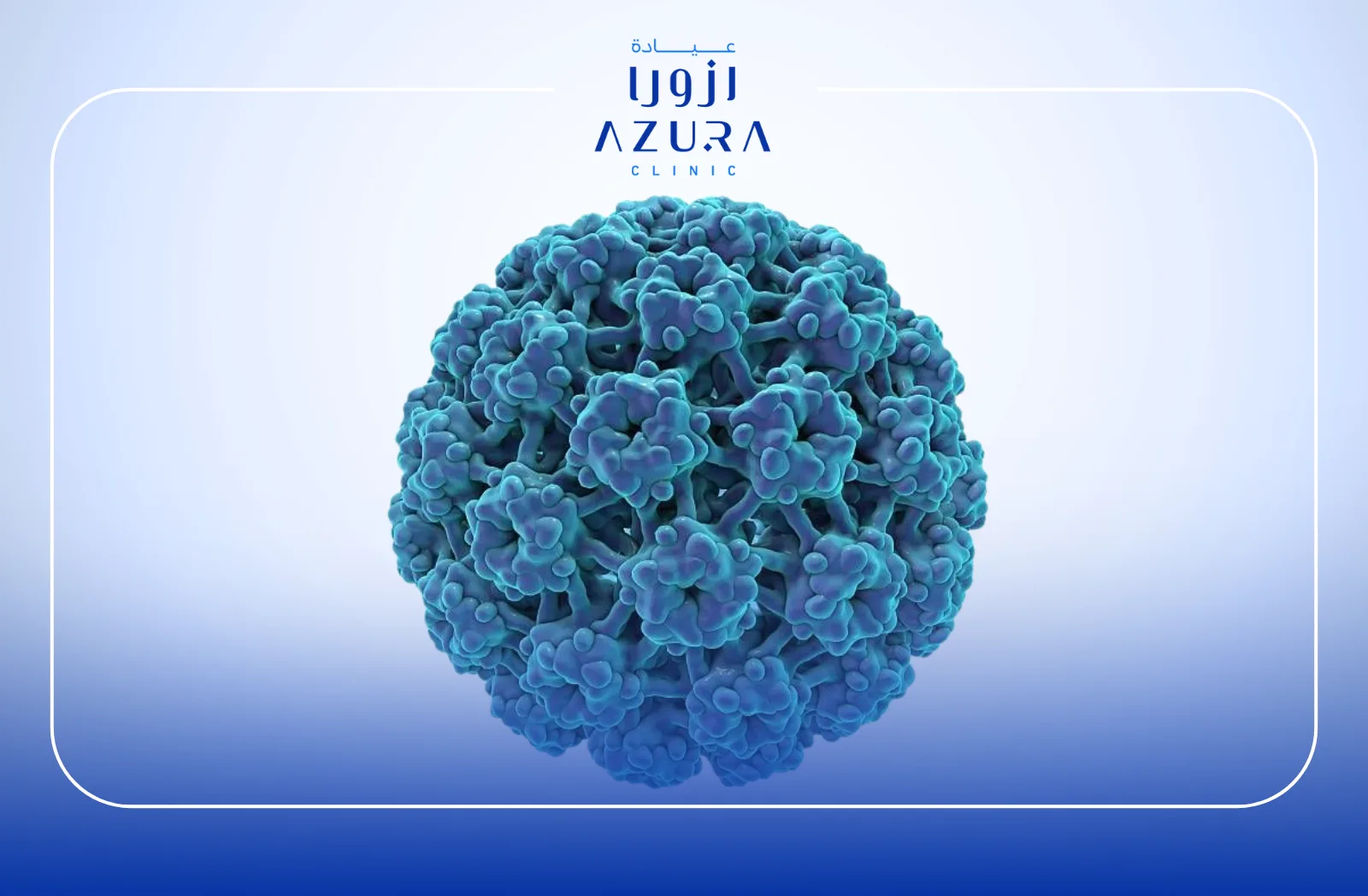
HPV (Human Papillomavirus) is one of the most common viral infections worldwide. For most people, it causes no symptoms and clears on its own. But if you have active HPV-related lesions (such as warts) in an area you want treated, laser hair removal over those lesions is not recommended until they’ve been fully resolved.
Why? The laser energy can theoretically aerosolise viral particles from wart tissue, creating a potential inhalation risk for the treating clinician. This is well-documented in surgical and laser literature, including findings referenced by the National Institutes of Health on laser plume and infectious risk. Reputable clinics use smoke evacuators and appropriate PPE as standard precautions.
If you have a history of HPV but no active lesions, laser hair removal is generally safe. Always disclose your full medical history at consultation; our doctors at Azura Clinic will assess your individual situation before any session begins. You may also find our Wart, Mole & Skin Tag Removal service relevant if active lesions need to be addressed first.
25 Expert Answers About the Splendor X Laser System
How the Technology Works
1. Why did my hair stop growing after session one, then come back?
The Splendor X only targets hair in its active growth phase (anagen). At any given moment, only 15–20% of your hairs are in this phase. Hair that “returned” was simply resting during your first session. This is completely normal, not a treatment failure.
2. Do men and women respond differently?
Yes. Testosterone drives thicker, denser hair in men (particularly on the chest, back, and beard) requiring more sessions. Women typically see faster results on underarms, legs, and the bikini line. Hormones, hair density, and skin tone all influence outcomes.
3. Can family members expect the same results?
Even siblings with similar genetics can respond very differently. Skin tone, hair thickness, hormone levels, and treatment settings all play a role. Results are individual; identical twins don’t always respond identically.
4. How do hormonal conditions like PCOS affect results?
Conditions like Polycystic Ovary Syndrome, thyroid disorders, or elevated androgen levels can make hair more resistant and more likely to regrow. Combining laser sessions with hormonal management (guided by your endocrinologist) consistently gives better long-term outcomes. We see this frequently in our Muscat patients. The American Academy of Dermatology provides useful guidance on how hormones affect skin and hair.
5. Can medications or supplements interfere?
Yes. Steroids and hormonal treatments can stimulate regrowth. Photosensitising medications (certain antibiotics, retinoids) increase your risk of skin reactions. Always disclose everything you’re taking before each session.
Realistic Expectations
6. Will it permanently remove all hair?
Honestly; no laser guarantees complete permanent removal. The Splendor X delivers permanent hair reduction: a substantial, lasting reduction in treated areas. Remaining hairs usually become finer and lighter. Most patients need a maintenance session now and then.
7. I want 100% gone. Is that achievable?
No system can reliably promise total elimination. Some follicles sit too deep, and hormonal fluctuations always play a role. The realistic (and very achievable) goal is dramatic, long-lasting reduction.
8. Why did cleared areas show regrowth before my next session?
Hair growth is cyclical. Follicles that were in the resting (telogen) phase weren’t treated: when they re-enter the anagen phase, they produce hair again and will be addressed in your next session. This is precisely why multiple sessions are necessary.
9. When will I see results?
Most patients notice visible reduction after the first few sessions. By the later sessions, expect a substantial reduction. Consistency with your schedule is the single biggest factor in your outcome.
10. What happens if I skip sessions?
Follicles move out of the anagen phase, making them temporarily unresponsive. Skipping slows progress and adds sessions to your overall plan. Stick to the recommended schedule: the face and the body are spaced differently, because their hair cycles differ.
Pain, Skin Reactions & Safety
11. Why does it hurt, and how can I reduce discomfort?
Heat reaching the hair root causes the sensation. Coarser hair and sensitive zones (bikini, underarms) feel more intense. Apply a lidocaine numbing cream about an hour beforehand, and ensure your technician uses the built-in cooling system. Most patients find sessions become more comfortable over time.
12. What should I do about red bumps after treatment?
Mild redness and swelling at first is completely normal. Use cold compresses, aloe vera gel, or a soothing repair cream. Avoid sun, hot showers, and intense exercise for 48 hours. If you experience blistering or signs of infection, contact us immediately.
13. Can the Splendor X thin my skin or cause premature aging?
No. The laser targets hair follicles, not the structural layers of the skin. When used correctly by an experienced professional, it does not thin skin or accelerate aging. This is why choosing a qualified laser clinic in Muscat staffed by trained dermatologists matters enormously.
14. Why do I feel bumps under the skin after treatment?
Those are treated hairs that haven’t shed yet: they typically fall out over the following weeks. A gentle enzyme scrub (not a harsh physical exfoliant) can encourage shedding without irritating the skin.
15. Will the laser cause skin darkening?
Only if incorrect settings are used on darker or recently tanned skin. A qualified dermatologist selects the right wavelength for your skin tone. Always use broad-spectrum SPF after treatment and avoid sun exposure between sessions.
16. Why do I feel itchy or tingly afterward?
This is a normal follicular response to heat. Cooling cream, aloe vera, or a zinc-oxide product calms it quickly. Severe itching or blistering warrants an immediate call to your clinic.
17. Can laser hair removal affect fertility or internal organs?
Not at all. The laser energy penetrates only the superficial layers of skin: nowhere near internal organs. There is no scientific evidence linking laser hair removal in Oman or anywhere else to fertility issues. The Splendor X is FDA-cleared and widely used safely worldwide.
Practical Pre- & Post-Care
18. Which hair colour responds best?
Dark brown to black hair on lighter skin gives the strongest results. Light blonde, red, grey, or white hair contains insufficient pigment to respond well, for those, electrolysis is generally more effective.
19. Can I have treatment during my period?
Yes: it’s medically safe. Pain sensitivity may be higher in the bikini area during your cycle. Reschedule if you prefer, but there’s no clinical reason you can’t proceed if you’re comfortable.
20. Will I need repeat sessions after pregnancy?
Many women do. Hormonal shifts during and after pregnancy can stimulate new growth in previously treated areas. Your earlier sessions aren’t wasted; a few touch-up sessions through our Laser Hair Removal programme are often all that’s needed postpartum.
21. Why must I shave before my session?
Shaving ensures laser energy reaches the hair root directly rather than being dissipated on surface hair. Shave the night before, and never wax or pluck before a session, as the root must remain intact.
22. What if I arrive unshaved?
The laser burns surface hair rather than the follicle, wasting energy and increasing burn and pigmentation risk. Most clinics offering permanent hair removal in Muscat require pre-shaving for both safety and effectiveness.
23. Why should I shower before my session?
Clean skin is free of oils, sweat, and product residue; all of which can interfere with laser penetration. Use a gentle, fragrance-free cleanser on the day of your appointment.
24. Why doesn’t the technician apply cream directly after the session?
To minimise cross-contamination risk, many clinics ask you to apply post-treatment products yourself. Bring your own aloe vera gel, Bepanthen, or a soothing repair cream. Self-application is hygienic and equally effective.
25. Top tips for better results overall:
Shave before every session: never wax or pluck
Protect from the sun: broad-spectrum SPF daily, before and after treatment
Stay consistent: don’t skip or delay sessions
Be transparent: disclose all medications, supplements, and hormonal conditions
Use gentle aftercare: soothe and protect for at least 48 hours post-session
Manage underlying hormonal conditions: especially if you have PCOS
Ready to Start Your Treatment at Azura Clinic, Muscat?
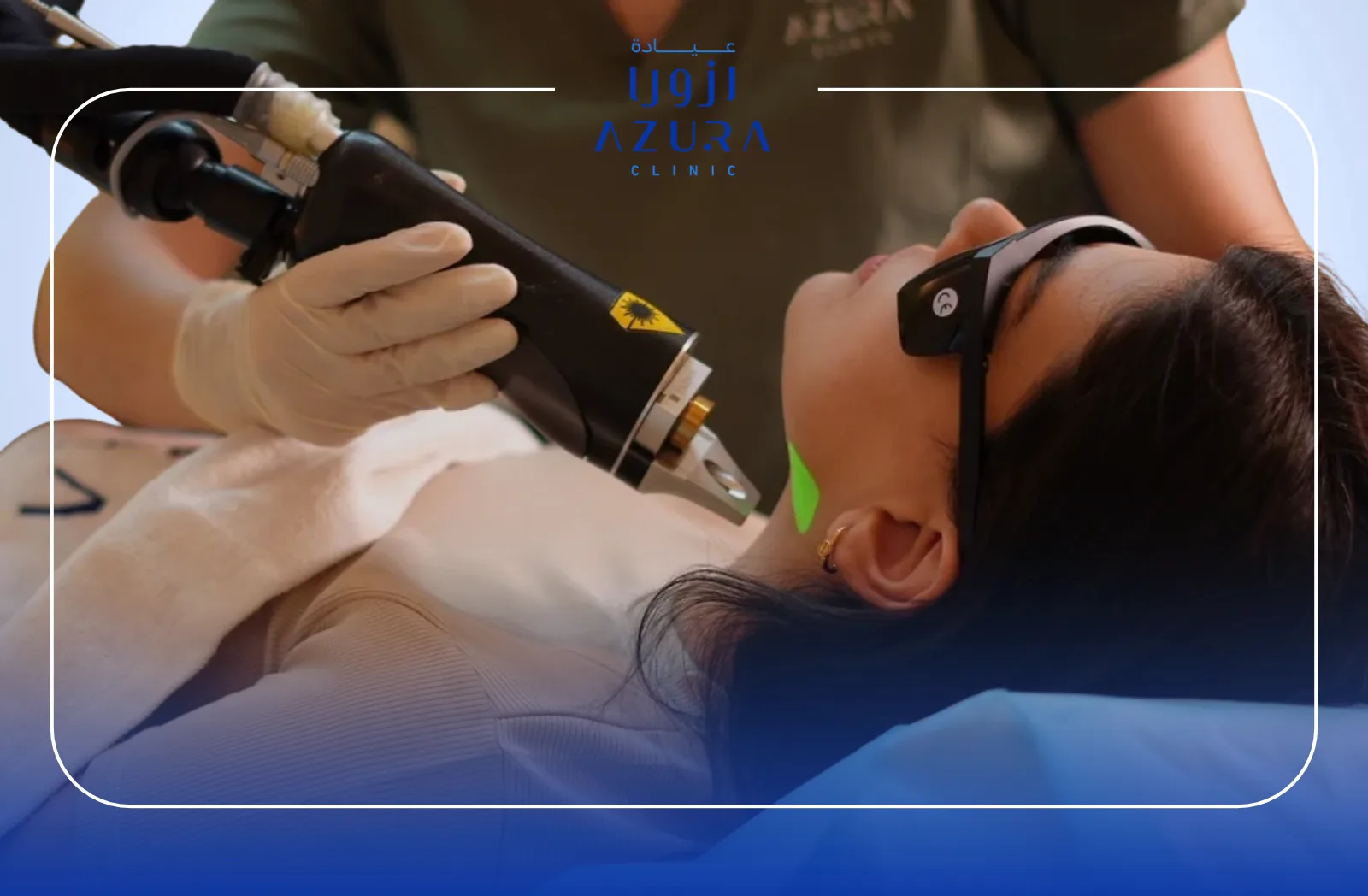
The Splendor X is one of the most advanced laser hair removal platforms available in Oman: combining precision, safety across all skin tones, and significantly reduced discomfort compared to older systems. Whether you’re targeting the face, underarms, legs, bikini line, or full body, our medical team in Muscat will build a personalised plan around your skin type, hair type, hormonal profile, and lifestyle. Check our Special Offers for current laser hair removal packages, or visit our FAQ page for more general clinic information.
Under Eye Glowing 4D Eye: 7 Real Benefits & What to Expect Before and After The under-eye area is one...
Comments
3 thoughts on "Laser Hair Removal and HPV: Understanding the Facts"
This breakdown of how laser hair removal actually works is really helpful, especially the point that the laser light never comes into contact with HPV itself. It’s reassuring to see the misconceptions addressed clearly, since many people assume heat or light can somehow trigger viral activity. I think explanations like this make it much easier for anyone with concerns to make an informed decision about treatment.
Thank you so much for your thoughtful comment! We’re really glad the explanation helped clear up those common misconceptions. Understanding how laser technology works and what it does not affect—can definitely make the decision-making process more comfortable. If you ever have more questions or want further clarification, we’re always here to help!







This breakdown of how laser hair removal actually works is really helpful, especially the point that the laser light never comes into contact with HPV itself. It’s reassuring to see the misconceptions addressed clearly, since many people assume heat or light can somehow trigger viral activity. I think explanations like this make it much easier for anyone with concerns to make an informed decision about treatment.
Thank you so much for your thoughtful comment! We’re really glad the explanation helped clear up those common misconceptions. Understanding how laser technology works and what it does not affect—can definitely make the decision-making process more comfortable. If you ever have more questions or want further clarification, we’re always here to help!
Interesting article, though I think some points could be expanded or clarified. Still, it sparked a good discussion thanks for sharing!